

In today’s complex litigation environment, Plaintiff Fact Sheets (PFSs) remain a foundational tool in coordinated proceedings such as multidistrict litigation (MDLs) and other large-scale consolidated cases. While the core purpose has stayed consistent over time, the way PFSs are used, managed, and leveraged has evolved significantly, particularly with the rise of structured data, legal technology platforms, and AI-assisted litigation workflows.
In modern MDLs, PFSs increasingly serve as a centralized source of litigation intelligence, helping stakeholders organize, analyze, and report on claimant data more efficiently.
What is a Plaintiff Fact Sheet (PFS) in Litigation?
A Plaintiff Fact Sheet is a standardized, court-approved discovery tool used in coordinated litigation to collect consistent, case-relevant information from plaintiffs.
Rather than relying solely on traditional interrogatories and document requests, courts and parties use PFSs to streamline early discovery by capturing key facts in a uniform format across all claimants.
Typically, a PFS includes information such as:
- Plaintiff identity and background
- Medical history and alleged injuries
- Exposure, incident, or product use details (where applicable)
- Employment and damages information
- Basic supporting documentation
Because PFSs are standardized across a plaintiff population, they allow parties and courts to more efficiently evaluate claims at scale, identify patterns, and support case management decisions in MDLs and other coordinated proceedings.
How Plaintiff Fact Sheets Streamline Coordinated Discovery in MDLs
In large litigation inventories, the primary value of coordination is efficiency, reducing duplicative discovery and improving consistency across cases. PFSs are often central to that goal.
Today, PFS processes are commonly integrated into broader discovery frameworks that include:
- Case management orders (CMOs) governing deadlines and deficiencies
- Structured discovery protocols replacing or supplementing interrogatories
- Centralized document repositories and litigation databases
- Early case assessment workflows powered by analytics tools
Courts frequently use PFS data not just for discovery, but also for actionable insight into claimant populations, early case triage, grouping similar claims, and identifying cases suitable for bellwether trials.
The Role of PFS Data in MDL Bellwether Selection Strategy
One of the most important downstream uses of PFS data is bellwether selection—the process of choosing representative cases to be tried early in MDL proceedings.
Bellwether trials help parties and courts:
- Evaluate liability theories in real-world conditions
- Assess potential damages ranges
- Inform global settlement discussions
- Understand the composition of the broader plaintiff pool
Common bellwether selection approaches include:
| 1. Random Selection |
| Ensures neutrality but may include non-meritorious or non-representative cases, requiring later dismissal or refinement. |
| 2. Party-Picked Selections |
| Plaintiffs and defendants each select favorable cases, but this can skew representativeness toward extreme or atypical claims. |
| 3. Criteria-Based Selection (Most Common Modern Approach) |
Courts increasingly prefer structured selection using defined variables such as:
This method depends heavily on high-quality PFS data to ensure the selected cases reflect the broader litigation population. |
Modern Plaintiff Fact Sheet Workflows, Data Management, and Discovery Platforms
Historically, PFSs were completed and exchanged through mail, email, or basic file transfer systems. Today, most large-scale litigations rely on integrated digital platforms designed specifically for complex discovery management.
The result is a shift from static document exchange to structured litigation data management that supports faster analysis, stronger oversight, and more strategic decision-making.
| A Modern PFS Workflow Often Includes: |
|---|
| Digital completion by plaintiff counsel or claimants |
| Built-in validation rules that reduce errors and omissions |
| Automated routing for attorney review and approval |
| Centralized submission to opposing counsel |
| Real-time visibility into deficiencies, deadlines, and compliance status |
| Structured data exports that support analytics, reporting, and litigation trend analysis |
| These Systems Increasingly Incorporate: |
|---|
| AI-assisted data validation and inconsistency detection |
| Automated document generation and deficiency notices |
| Dynamic questionnaires that adjust based on prior responses |
| Dashboards for judges, mediators, and litigation teams |
| Integration with medical records and e-discovery platforms |
5 Benefits of Digital PFS Platforms in Complex Litigation
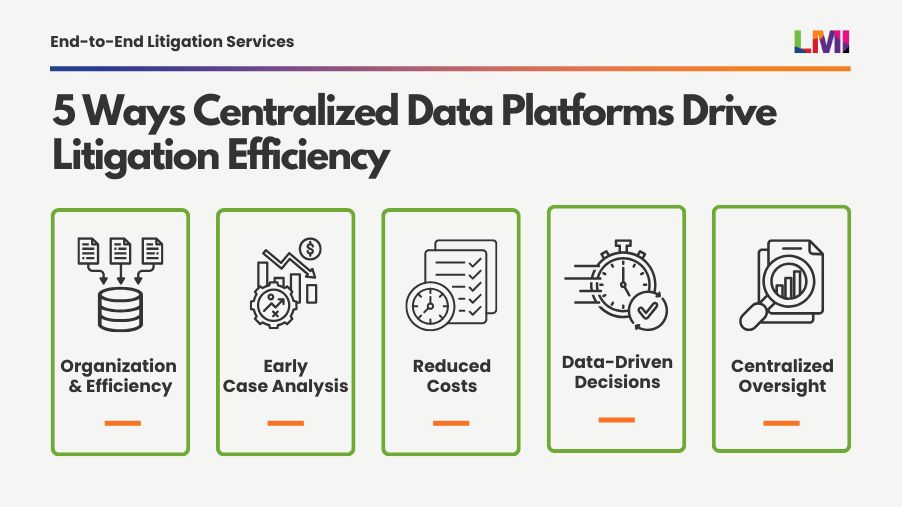
1. Improved Case Organization and Efficiency
Litigation teams can manage large plaintiff inventories with significantly less manual data entry and administrative overhead.
2. Earlier, More Strategic Case Evaluation
Structured PFS data enables litigation teams to identify claim strengths, weaknesses, trends, and outliers earlier in the lifecycle of a matter.
3. Reduced Discovery Costs
By improving initial data quality, parties can limit unnecessary medical record collection and repeated discovery cycles.
4. Enhanced Strategic Decision-Making
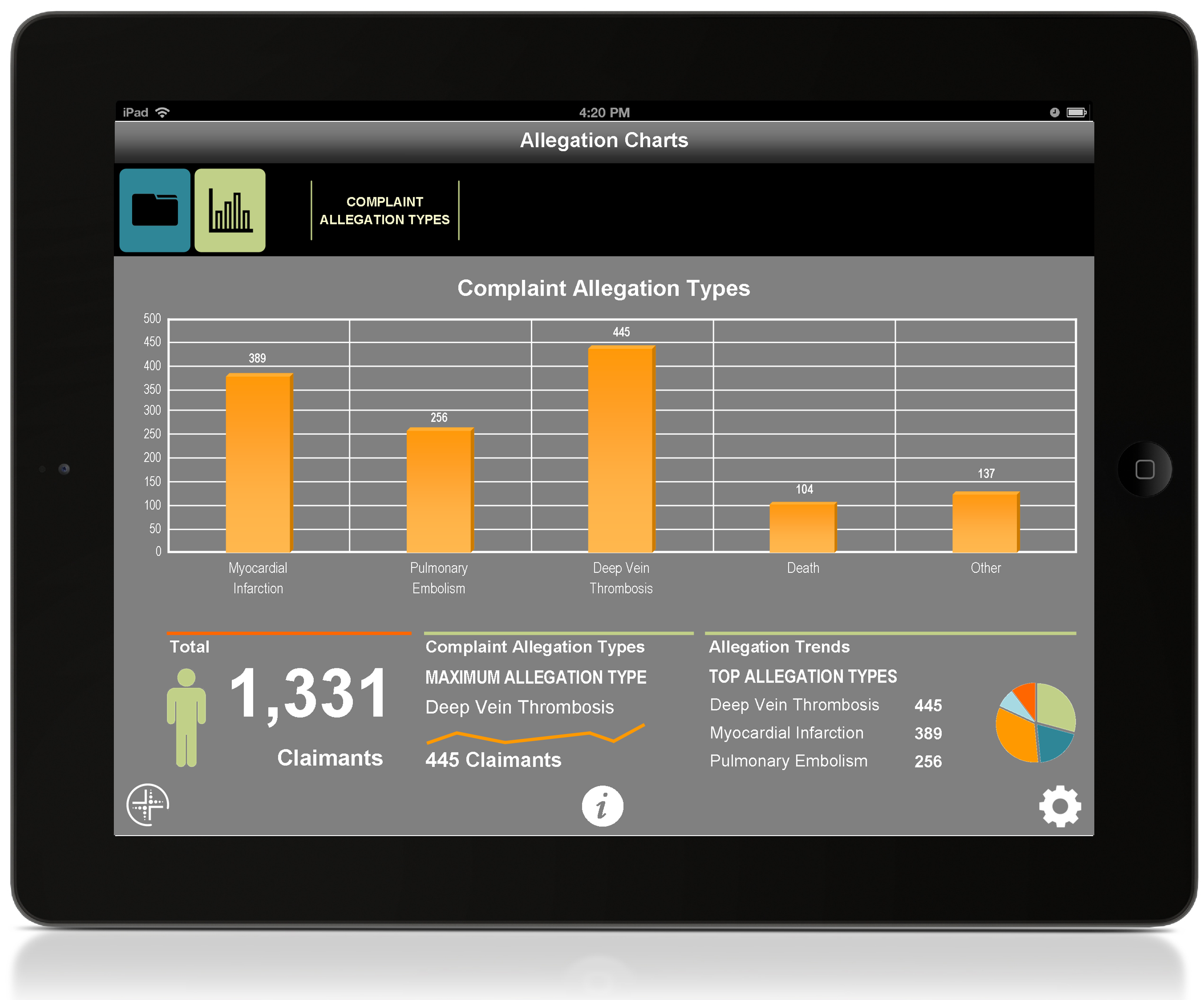
Analytic dashboards support:
- Early settlement discussions
- Bellwether planning
- Reserve setting for insurers
- Litigation risk modeling
5. Streamlined Court Oversight
Judges and special masters can monitor compliance, deficiencies, and plaintiff populations in real time rather than relying on fragmented reports.
How Attorneys, Courts, and Insurers Use Plaintiff Fact Sheet Data
Attorneys and Litigation Teams
Structured PFS systems can reduce administrative burden and allow legal teams to spend more time on substantive legal analysis rather than manual data reconciliation.
Courts and Special Masters
Judicial officers benefit from clearer visibility into case populations, enabling more informed scheduling orders and bellwether frameworks.
Insurers and Experts
Insurers use early PFS data to improve reserve setting and exposure modeling, while experts benefit from centralized access to claimant-specific materials and timelines.
Key Considerations for Implementing Plaintiff Fact Sheet Platforms
Despite their benefits, PFS systems require thoughtful implementation. Key considerations include:
- Scale of litigation: Benefits increase significantly in large MDLs and mass torts
- Technological access: Some claimant populations may require alternative submission methods
- Data security and compliance: Especially when handling sensitive medical and personal information
- Platform management: Clear agreement on access rights, timing, and data visibility
- Cost allocation: Responsibility for platform and administration costs must be defined early in case management orders
Why Plaintiff Fact Sheets Matter in Modern MDL and Mass Tort Litigation
Plaintiff Fact Sheets have evolved into a critical component of efficient, coordinated discovery in modern complex litigation. Far beyond a procedural requirement, they now function as structured data tools that support early case evaluation, improve consistency across large plaintiff populations, and enable more informed decision-making throughout MDLs and other consolidated proceedings.
When implemented effectively through centralized data platforms, PFS processes help legal teams reduce administrative burden, limit redundant discovery, and gain earlier insight into case strengths, patterns, and risk exposure. This shift from static forms to structured, analytics-ready data is helping reshape how legal teams assess risk, prioritize resources, and develop litigation strategy in complex matters.
For legal professionals managing MDLs, product liability matters, and other high-volume litigations, efficient plaintiff fact sheet workflows are critical to organized, scalable discovery. LMI provides a centralized PFS platform that helps legal teams streamline data collection, manage supporting records, improve visibility into claimant populations, and support faster, more informed case assessment.